
School Advocacy
Advocating for inclusive schools is crucial for ensuring that all students, particularly those in the LGBTQ+ community, can learn in environments that are welcoming.
The choices made in classrooms, by school boards, and within district offices have a significant impact on the well-being of students and the safety of the community as a whole.
This page is here to support educators, families, and community members by providing them with the tools, resources, and strategies needed to effectively push for inclusive policies and practices. You’ll find guidance for navigating local school systems, organizing for change, responding to harmful policies, and building the people power needed to create schools where all students can thrive.
Building People Power with Welcoming Schools
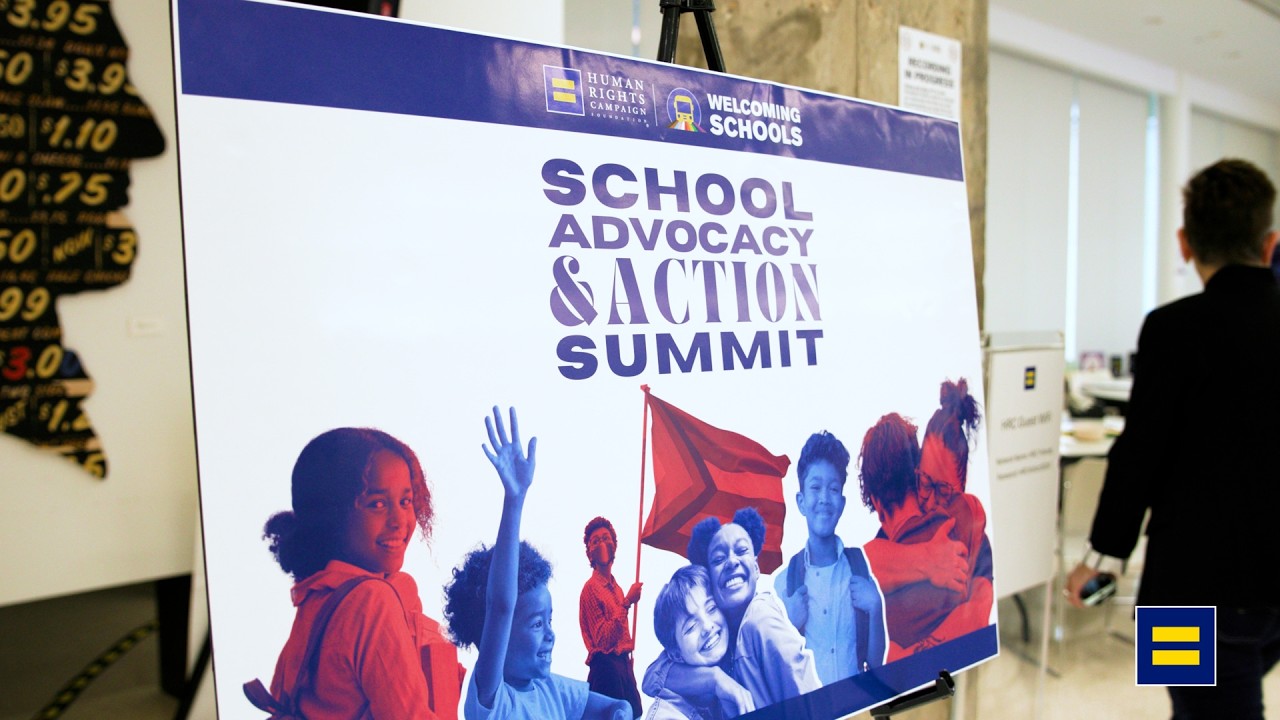

This Month in School Board and Education Policy
Together, these developments underscore what we know to be true: school boards remain on the front lines of the ongoing fight for inclusive, affirming public education.
Federal Government Sues Kansas District Over Transgender Student Policies
The Department of Justice has sued Kansas City Public Schools over district policies supporting transgender students.
Federal officials argue their policies violate federal law, including guidance allowing decisions about involving parents in a student’s gender transition to be made on a case-by-case basis. The district maintains its policies follow federal law.
The lawsuit shows yet another escalation in the federal administration's efforts to challenge local protections for transgender students and could have implications for districts across the country.(Justice Department sues Kansas City, Kansas, Public Schools over transgender policies).
Georgia District Removes Toni Morrison Novel from School Libraries
Cobb County schools in Georgia removed Toni Morrison’s The Bluest Eye from school libraries, marking the district’s 37th book removal since 2023.
The district cited the book's “sexual content” in its decision. The removal comes as districts across the country continue to face efforts to restrict access to books addressing race, identity, inequality, and other issues.
These decisions are another stark reminder of the important role school boards play in protecting academic freedom and making sure students have the opportunity to read, learn, and think for themselves. (Cobb removes classic Toni Morrison novel from school media centers).
Arizona District Reconsiders Anti-DEI Policy After Book Removals
Peoria Unified School District in Arizona is reconsidering its “No DEI” policy after several books, including A Raisin in the Sun and Narrative of the Life of Frederick Douglass, were removed from its K-8 curriculum.
The school board president has now proposed rewriting the policy, saying the current language is unclear and difficult to enforce, while community members have raised concerns about what students are losing from their classrooms.
While the reconsideration of their policy comes after a series of book removals, it’s also an important reminder that standing up and confronting censorship matters. When students, families, and community members show up and make their voices heard, we can still push school boards to reconsider decisions that impact what students can read and learn at school. Read HRCF x SBIP's Confronting Censorship in Our Schools guide here. (Peoria Unified board president proposes changes to 'No DEI' policy following book debate).
Resources
| Title | Summary | Link to Resource |
|---|---|---|
| School Boards Matter | The tools within this guide will help you advocate for inclusive policies for LGBTQ+ and all students at the school board level. | Read the Guide |
| Confronting Censorship in Our Schools | We know from experience that speaking up and getting involved works, so let’s all do our part. Together, we can protect the freedom to read, to learn, and to be our complete selves in our schools. | Read the Guide |
| Making the Grade: How to Find an LGBTQ+ Inclusive School District | Think of this as your study guide for choosing the right district. With the right information, you can ensure that your school truly makes the grade. | Read the Guide |
| Protecting Our School Communities: A Response to ICE Enforcement | Schools should always be places of learning, stability, and belonging. This guide offers general considerations for how school communities can support students and families. | Read the Guide |
| Navigating Pushback From Stakeholders | As a school leader, you may encounter resistance whether you’re speaking at a school board meeting, hosting a family night, or talking with a colleague. It’s important to remember: you don’t have to be an expert to be effective in fostering positive change. You just need to stay calm, grounded in the foundations of Welcoming Schools, and focused on what truly matters—the well-being of every student. | Read the Guide |
| Mahmoud v. Taylor School Stakeholder Explainer | Here is what staff and leadership need to know to be prepared for any complications resulting from the Mahmoud v. Taylor ruling. | Read the Guide |
| Transgender Youth Losing Access to Healthcare: What Educators Need to Know | The Supreme Court’s ruling in U.S. v. Skrmetti is a significant roadblock and setback for children in the United States. For school staff, here’s what’s important to understand. | Read the Guide |
| Organizing GSAs in Challenging School Climates | Building community allows LGBTQ+ students and allies to thrive, here are some ideas for organizing while staying informed and assessing the risks. | Read the Guide |
| Community Care is Self-Care | Tapping into community care is a great way to take care of yourself. In this guide, we’ll share ways to find and build that community support. | Read the Guide |
| Thriving in College: Navigating LGBTQ+ Resources and Support | This guide highlights ways LGBTQ+ students can navigate campus life and thrive. | Read the Guide |
| Supporting Transgender-Student Athletes Following B.P.J. & Hecox Supreme Court Decision | School leaders and staff may be navigating questions about athletic eligibility, student support, and local policies. This resource provides practical information on what the decision means and what it does not. | Read the Guide |
| Supporting LGBTQ+ Youth Mental Health in Schools | This guide covers overarching guidance on best practices as well as specific actions that educators and school staff can take to better support LGBTQ+ youth. | Read the Guide |
| Show Up, Speak Out: A Student Guide to Making Your Voice Heard at School | This resource will help you advocate for a safe, welcoming, and respectful school community. We’ll give you practical ways to make a difference, amplify your voice, and engage in constructive action while understanding your own rights, responsibilities, and safety. | Read the Guide |
| Leadership Strategies for Navigating Complex Moments | The Welcoming Schools program has prepared educators to respond to challenging questions in the classroom, centering best practices that establish positive learning environments. | Read the Guide |